The all-new ES: creating elegant saloon design for a new era
- Lexus’s all-new premium model interprets classic saloon styling for the electrified era
- New model adopts signature Lexus features, including a spindle body
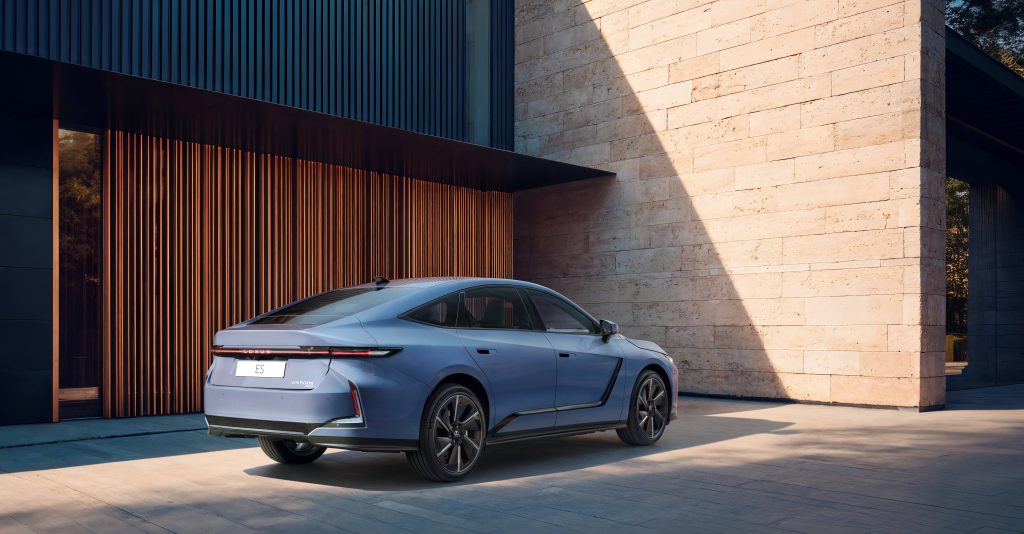
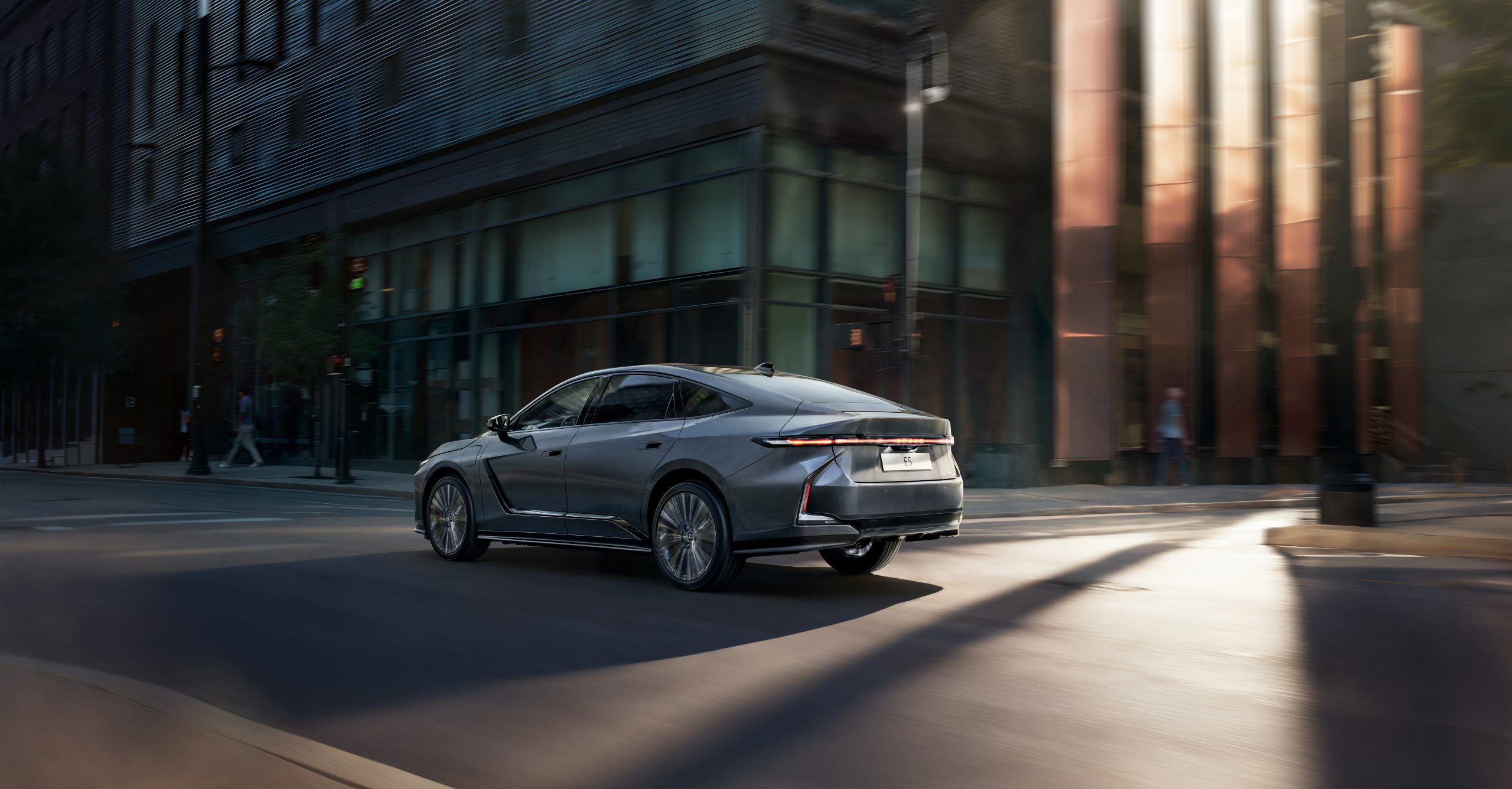
- Sleek, streamlined silhouette with tapering cabin and sweeping rear end
- “Clean Tech and Elegance” interior design principles produce an open, roomy and sleek cabin space
- All-new Lexus ES to be introduced in Europe later in 2026
Across seven generations, right from the launch of the Lexus brand more than 35 years ago, the ES has distinguished itself as an elegant luxury saloon of classic proportions. Lexus designers were challenged to reinterpret these qualities as they worked on producing not just an all-new model, but the first ES to adopt a fully electric powertrain, scheduled for introduction in the UK later in 2026.
The concept was defined by the term “Clean Tech x Elegance,” signifying a harmonious combination of functional, technology-inspired design with styling that expresses the premium quality and hand-crafted luxury that are fundamental to the ES and the Lexus brand.
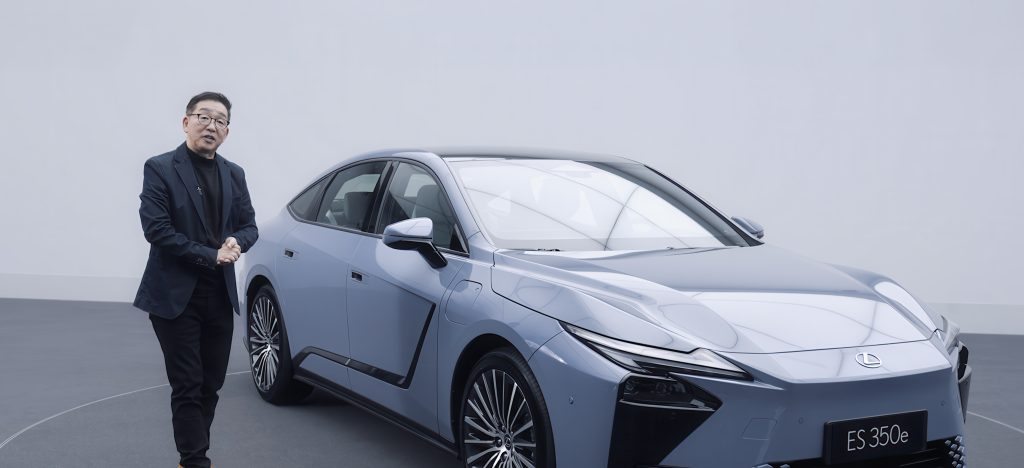
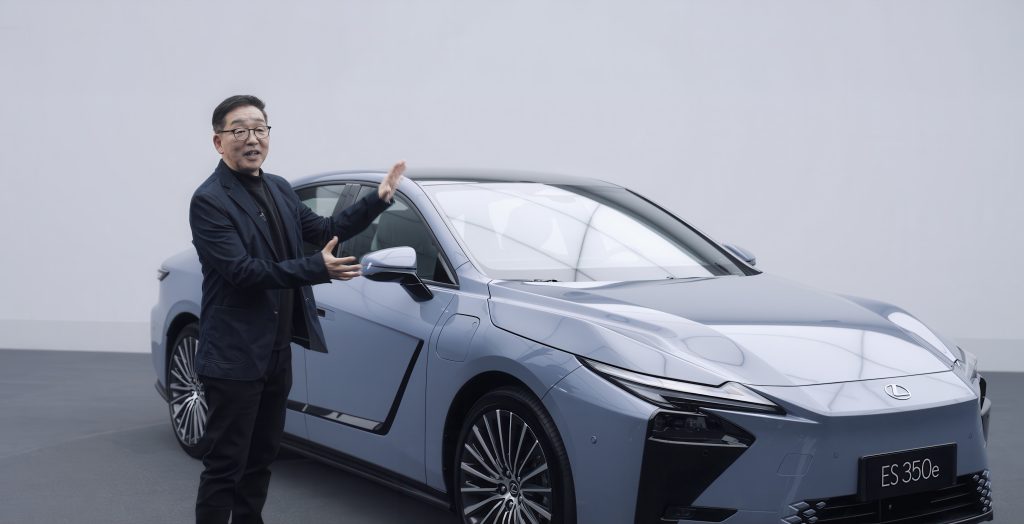
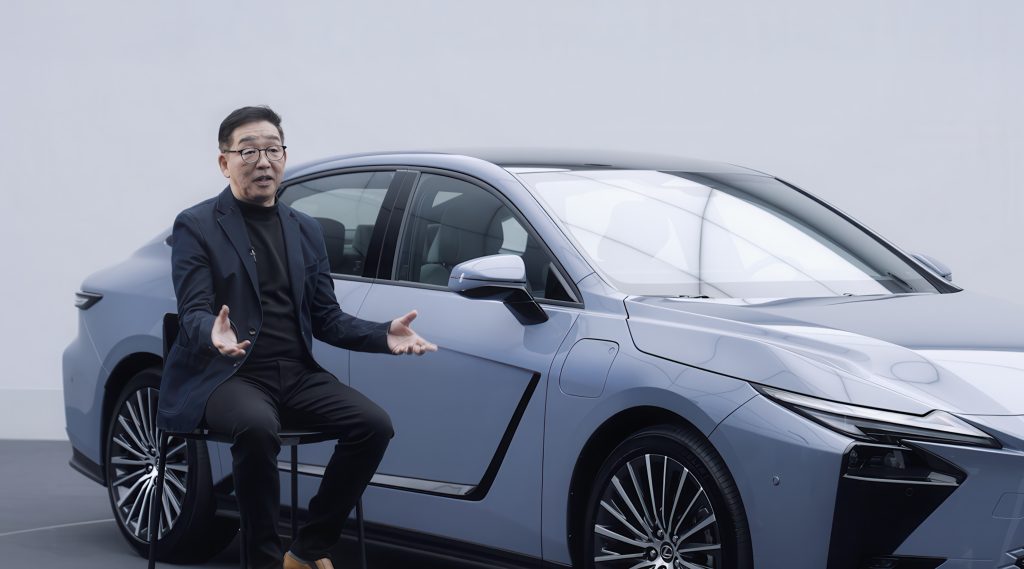
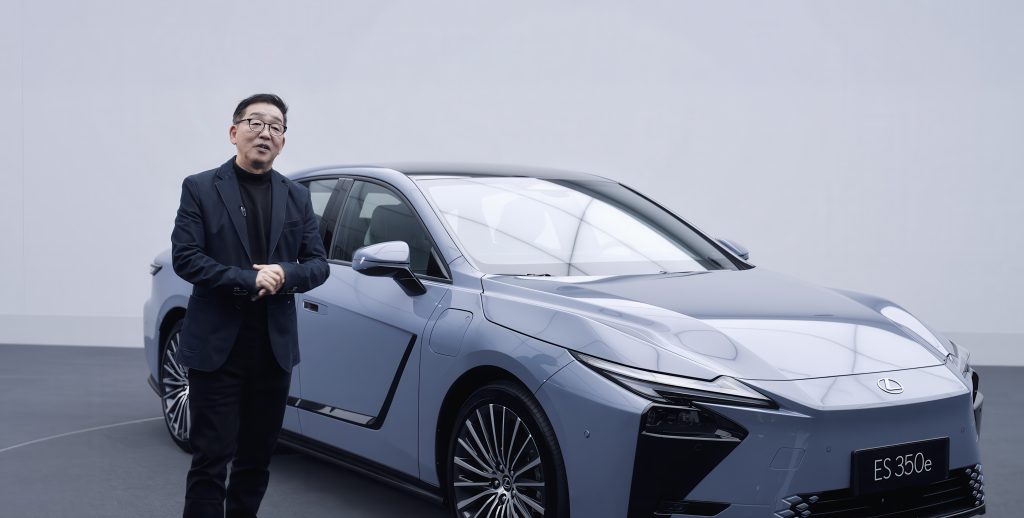
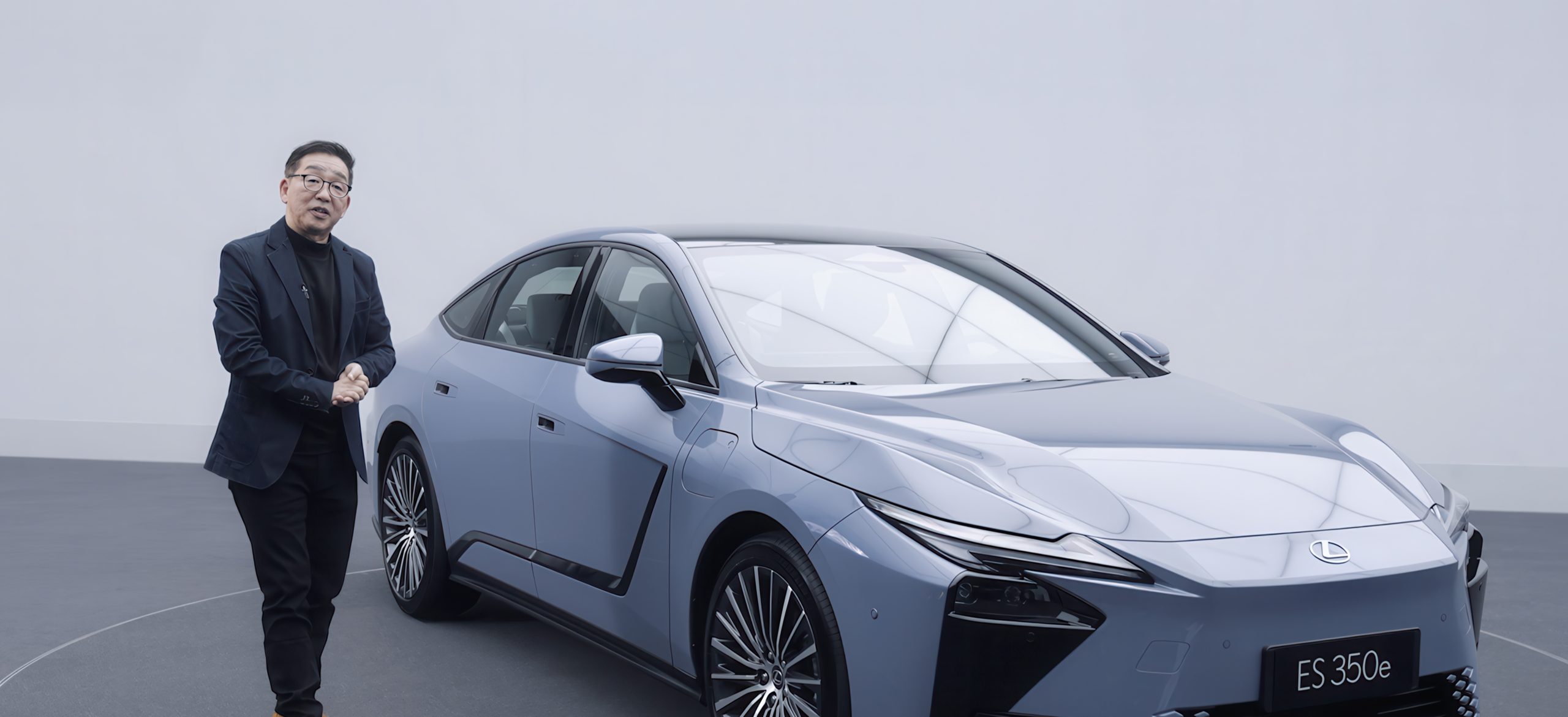
Lexus International Chief Designer Yahiko Kumai explains that the car goes beyond being a simple evolution of the current ES. More than that, it was developed using a new approach with the team starting with an “super-ideal” design, then refining it into something that could be delivered, rather than working incrementally from the existing model’s design.
Designed on a new platform for new powertrains
The all-new ES is built on Lexus’s global architecture K-platform, redesigned to accommodate the model’s electrified powertrains. The design team applied the “golden ratio” principle to achieve an ideal relationship between the car’s dimensions (wheelbase, length, height and width) to create a sedan that is both elegant and visually striking and which offers SUV-like interior space. “Finding the optimum proportions and a silhouette that expresses the stylishness of a saloon was our main focus”, says Kumai.
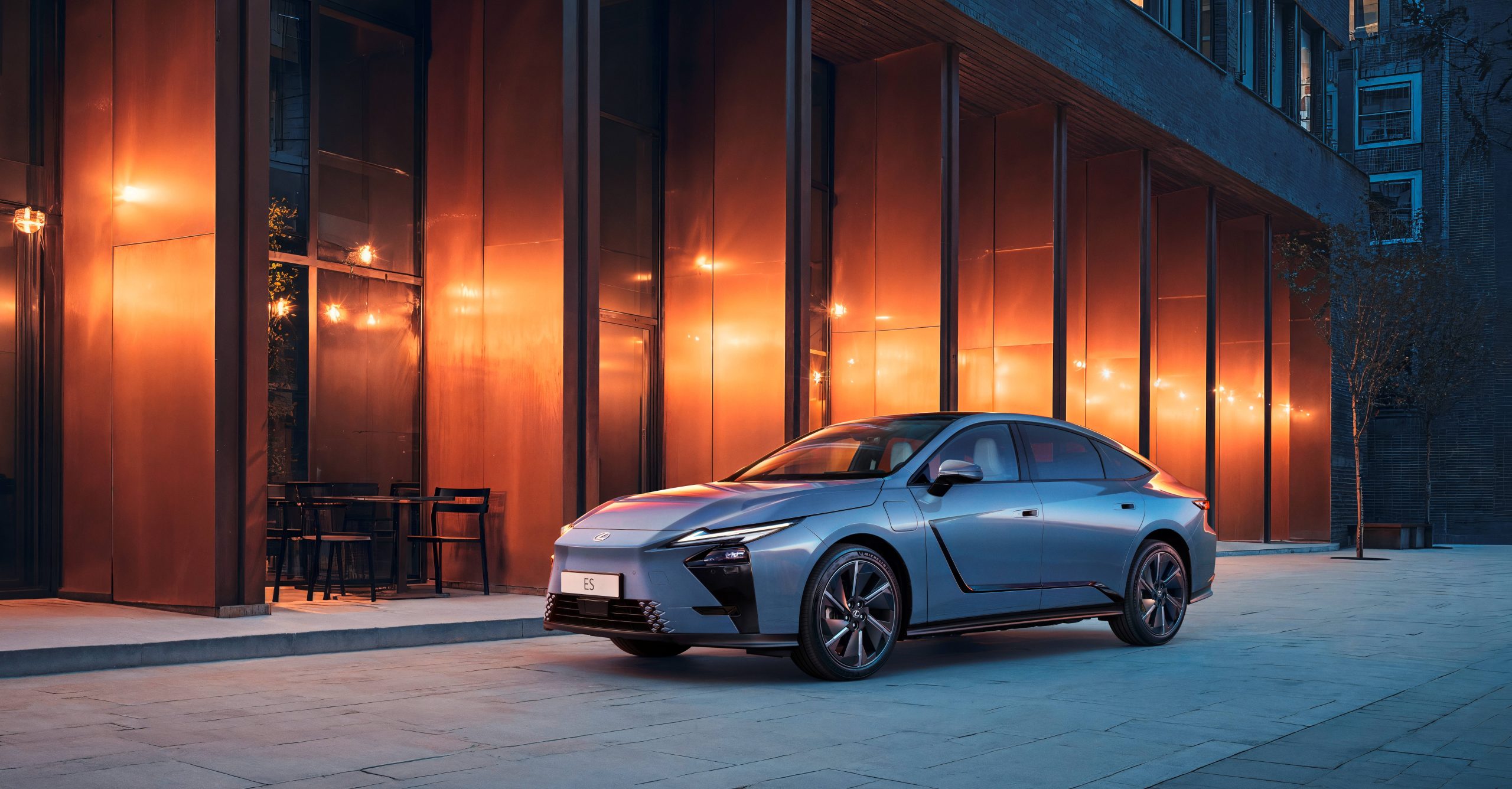
Sporty and elegant frontal design
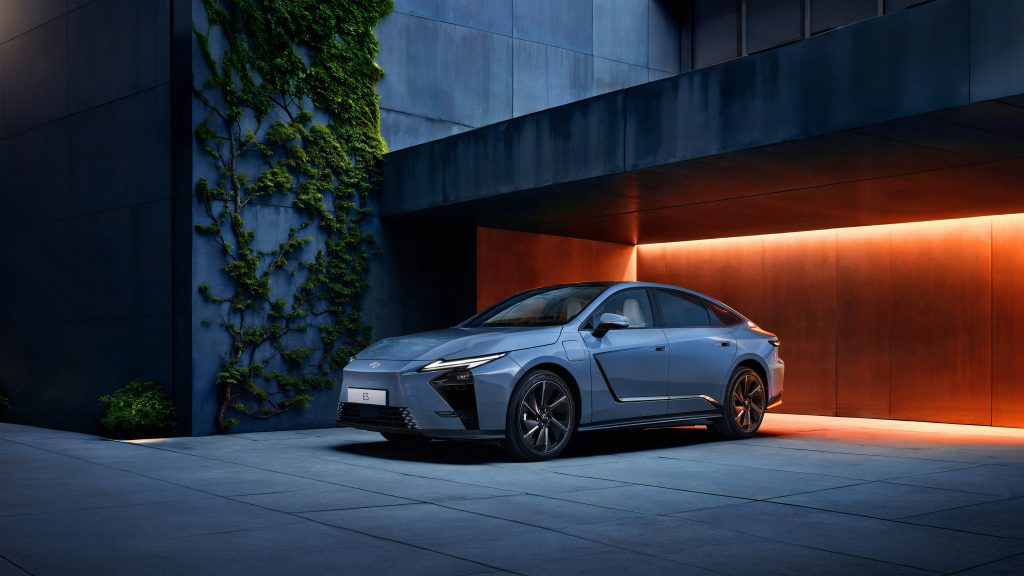
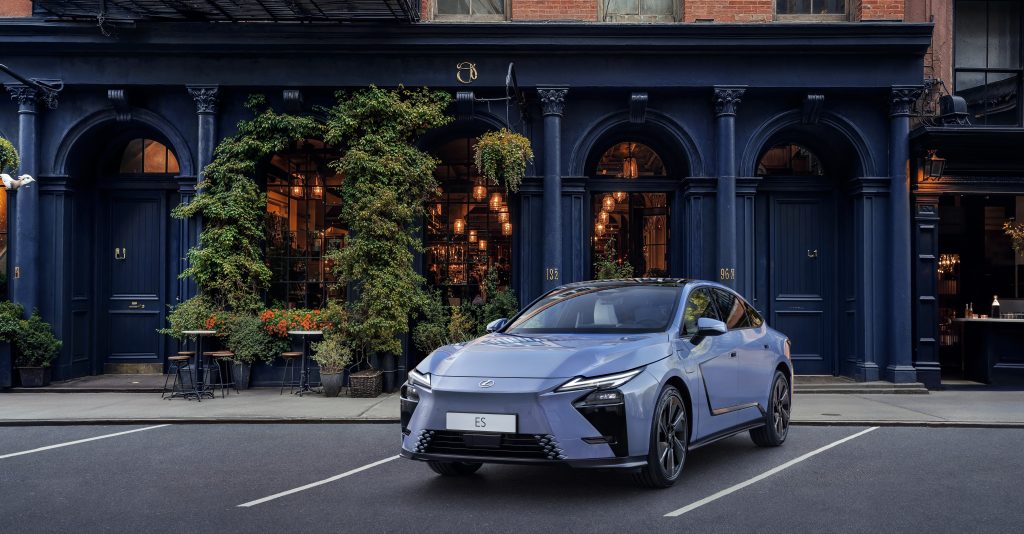
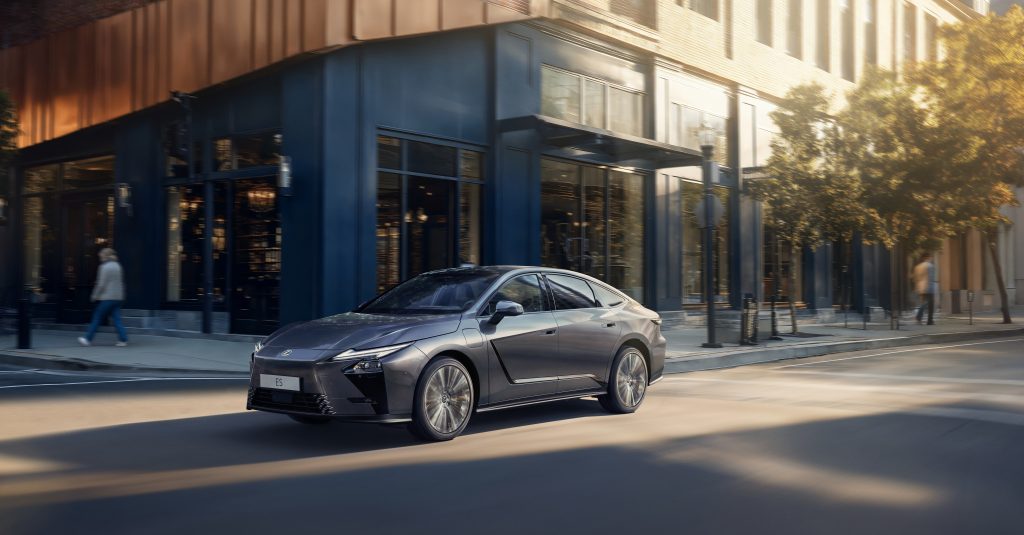
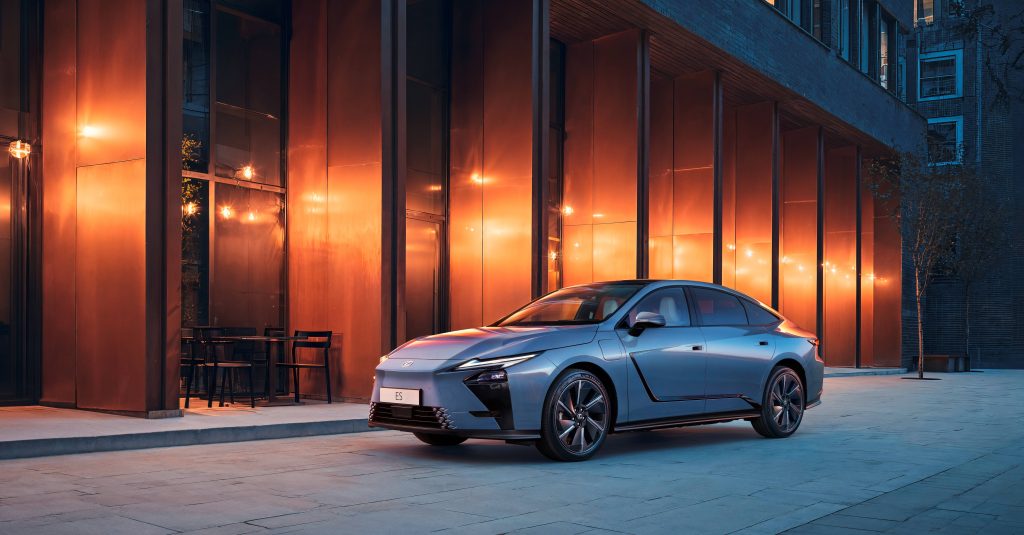
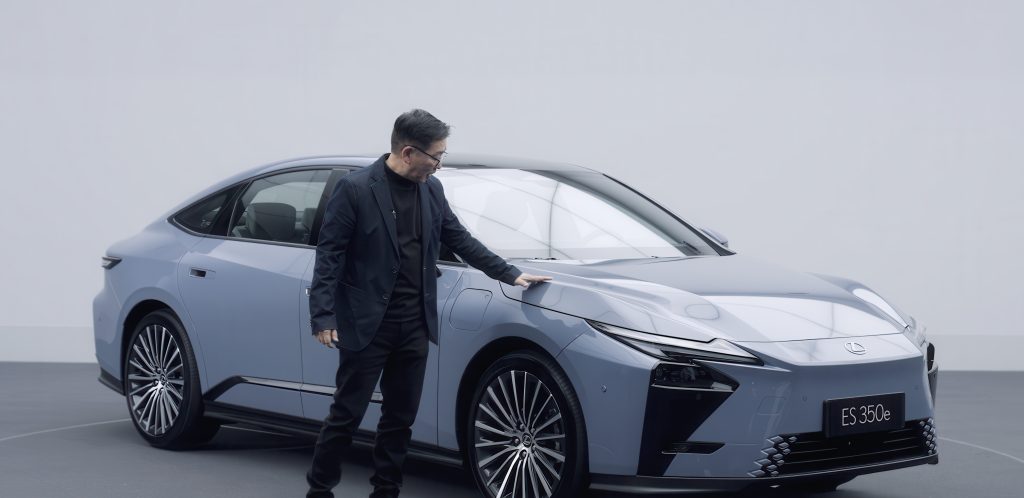
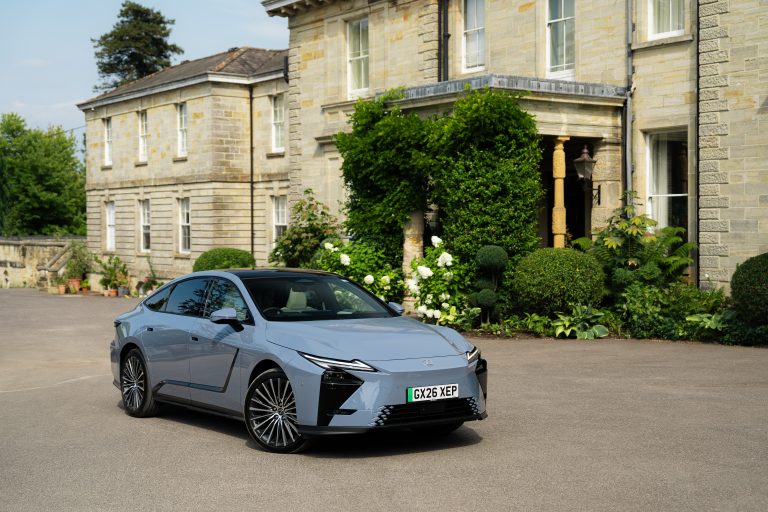
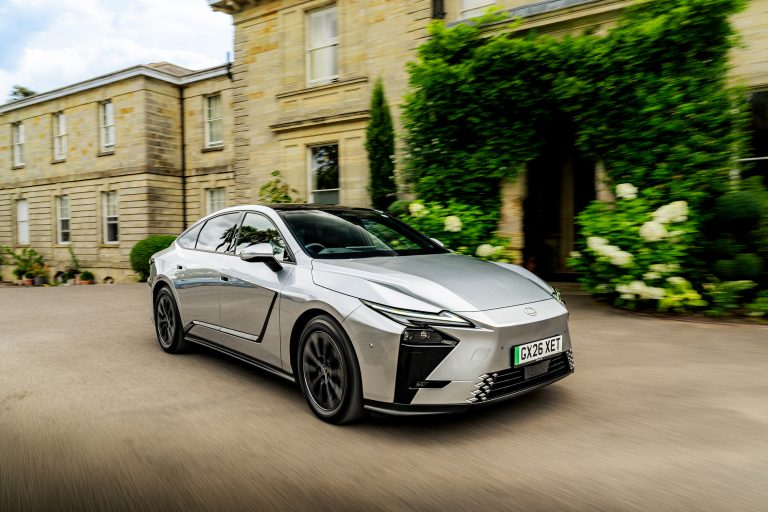
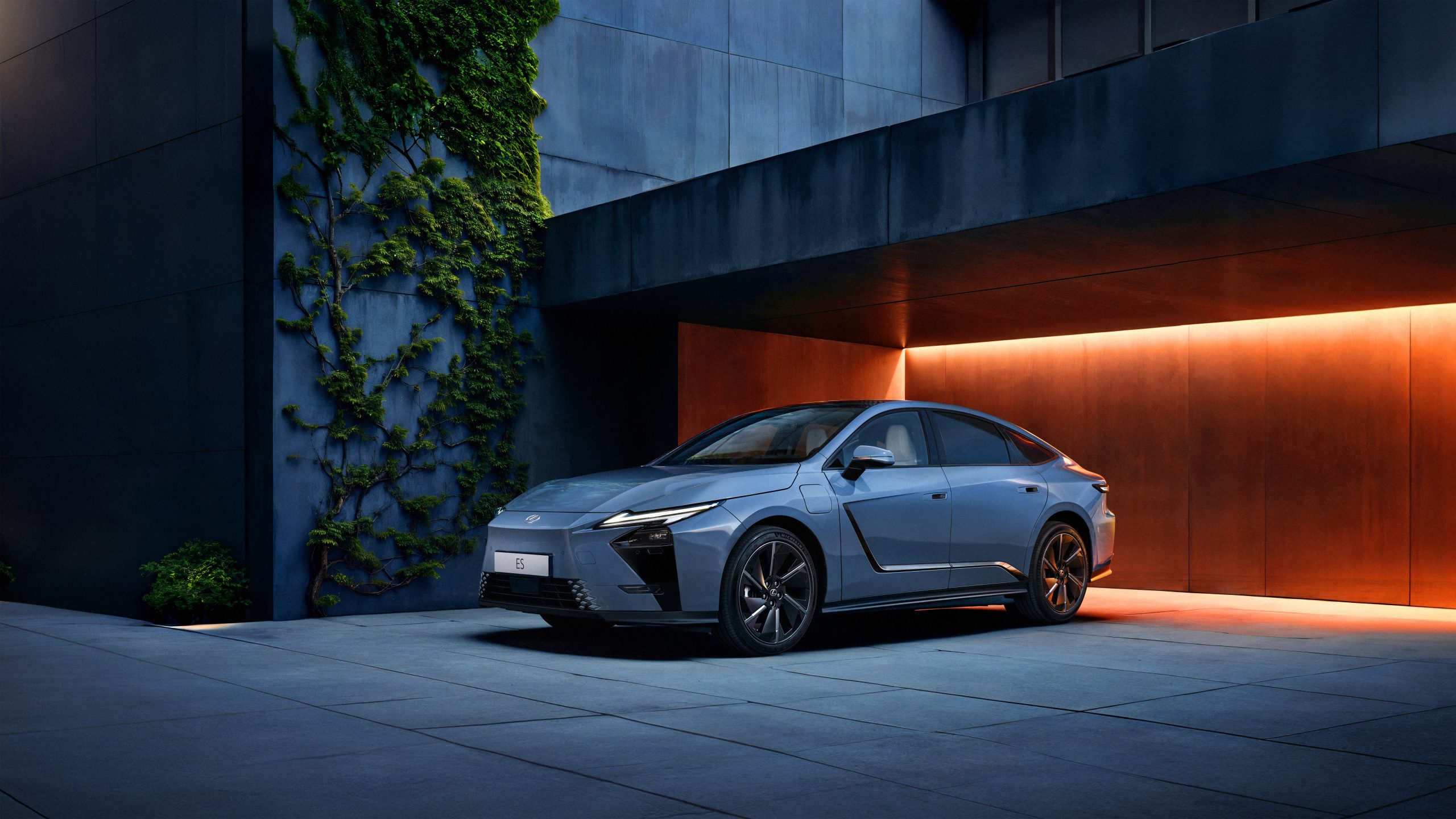
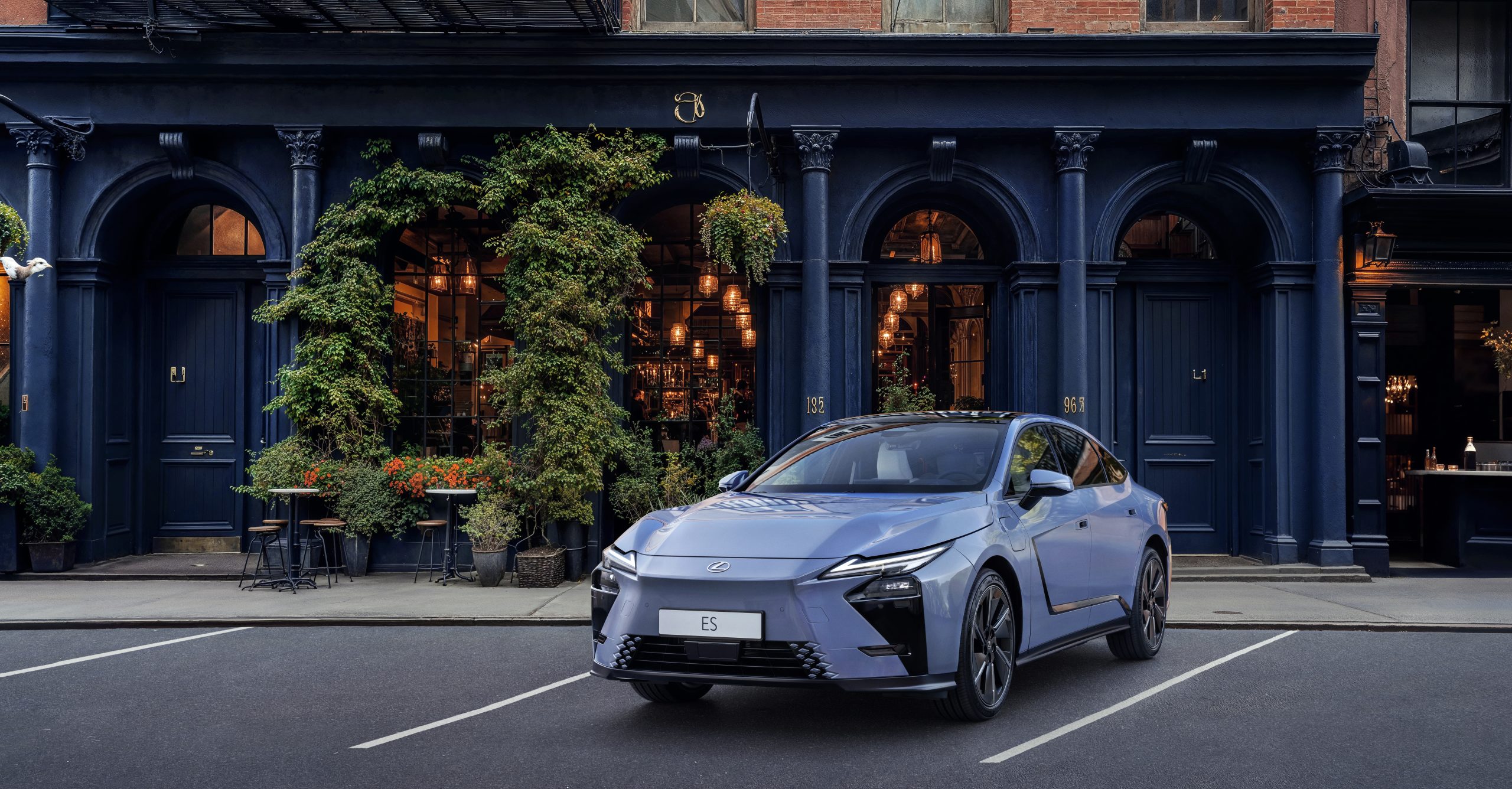
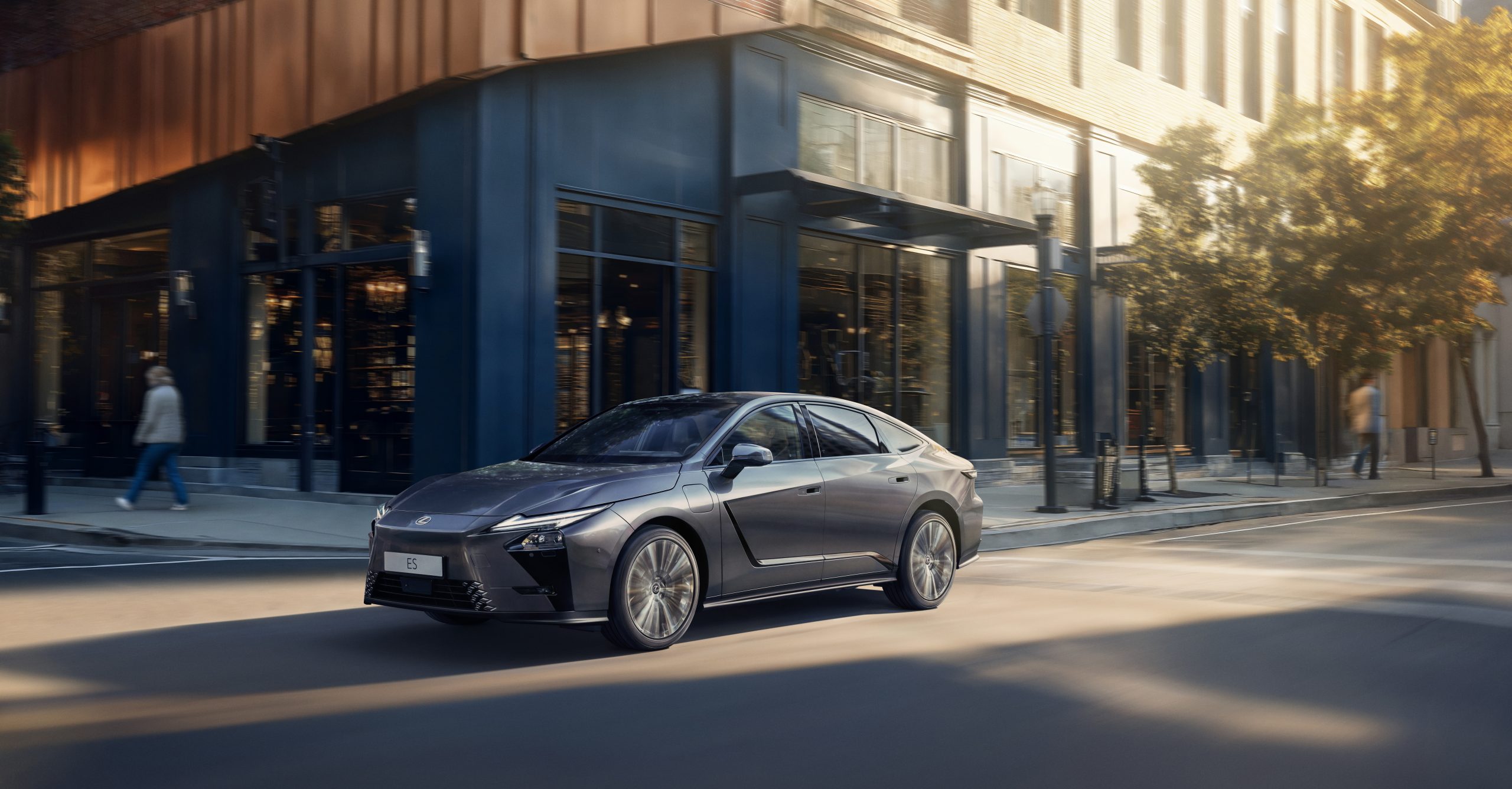
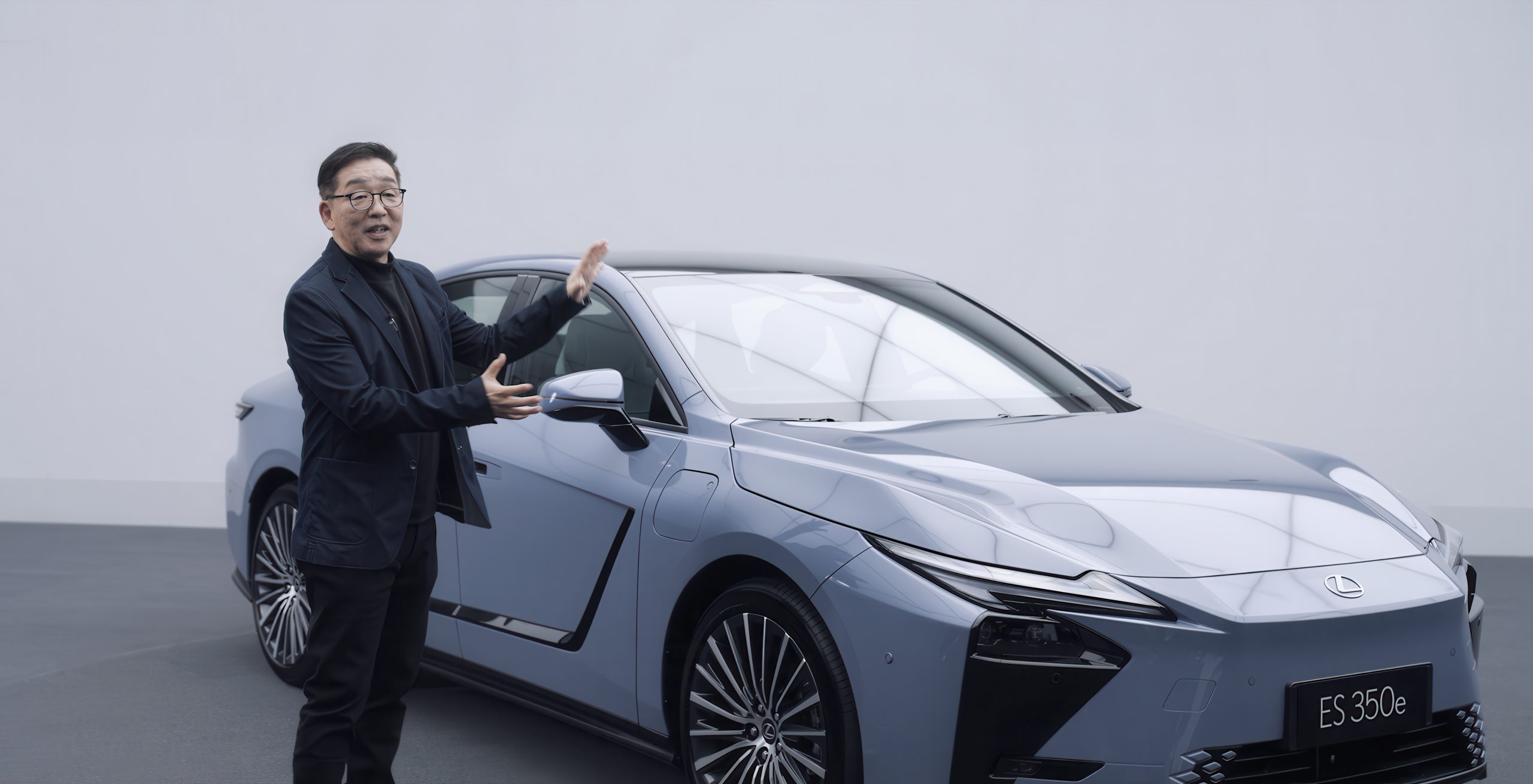
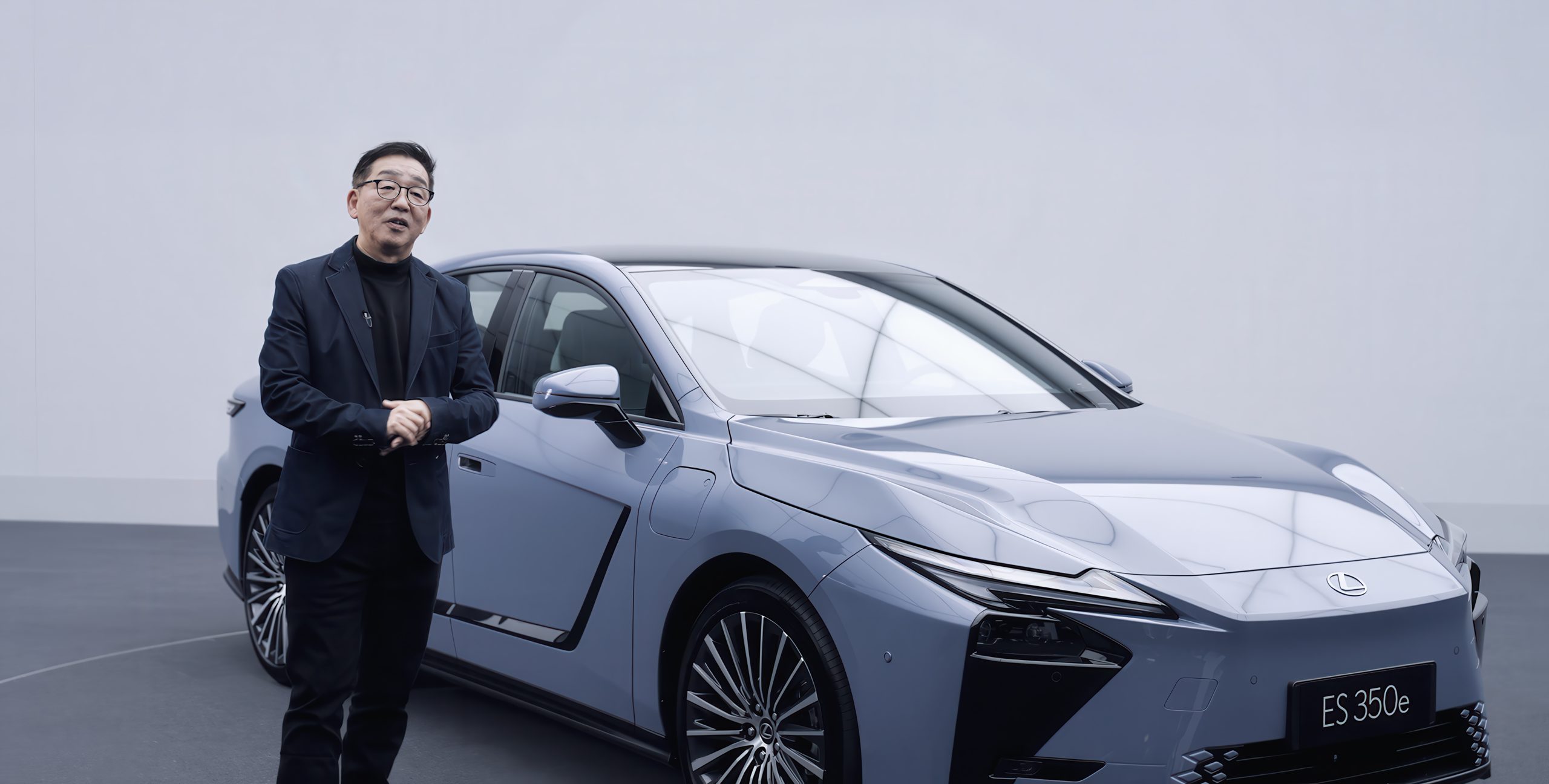
Viewed from the front, the all-new ES displays the signature Lexus spindle body, extending across the bonnet to the edges of the bumper. Chief Designer Kumai wanted to retain a wide and low “face” and to keep the height of the front wings low and so preserve the characteristic look of a premium saloon. “The height difference adds a sporty touch while keeping a suitably dynamic saloon-style expression,” he explains.
The car’s spindle body rises from the low-set nose: the distinctive shape expresses its electrified power and makes the car instantly recognisable as a Lexus on the street. Details include a new front light arrangement that creates a twin L-shape, a new signature for Lexus’s electrified models.
Sleek and elegant side view
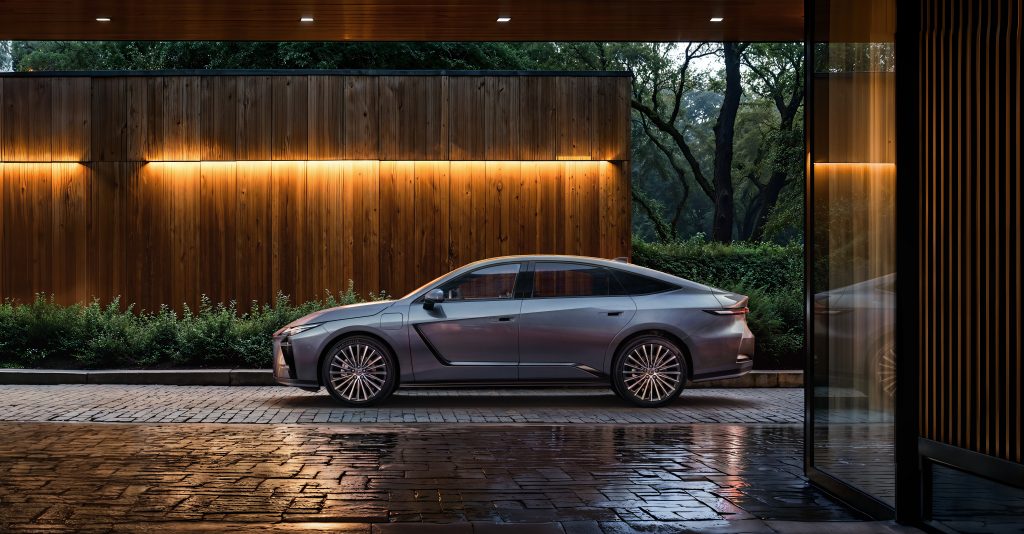
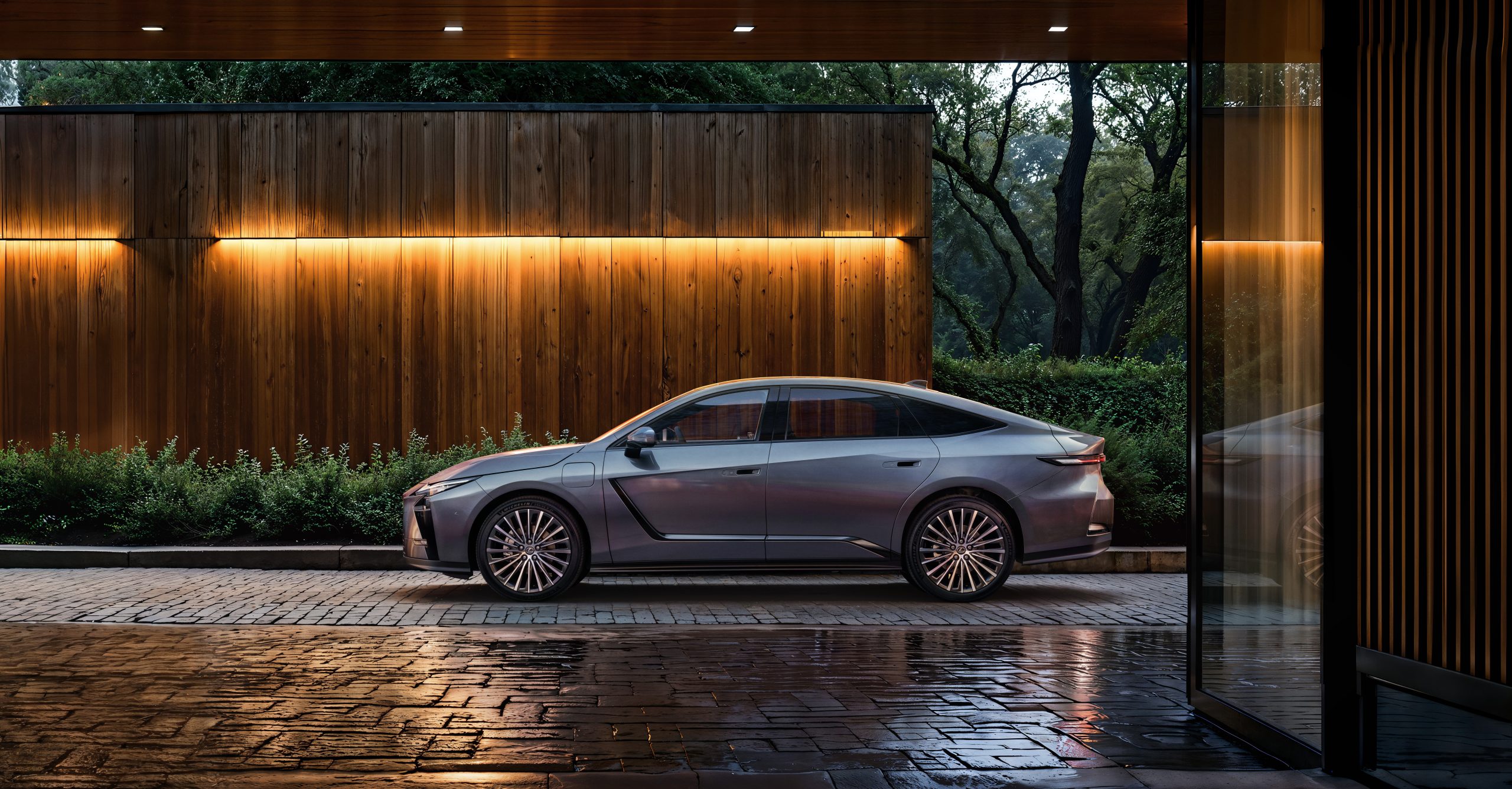
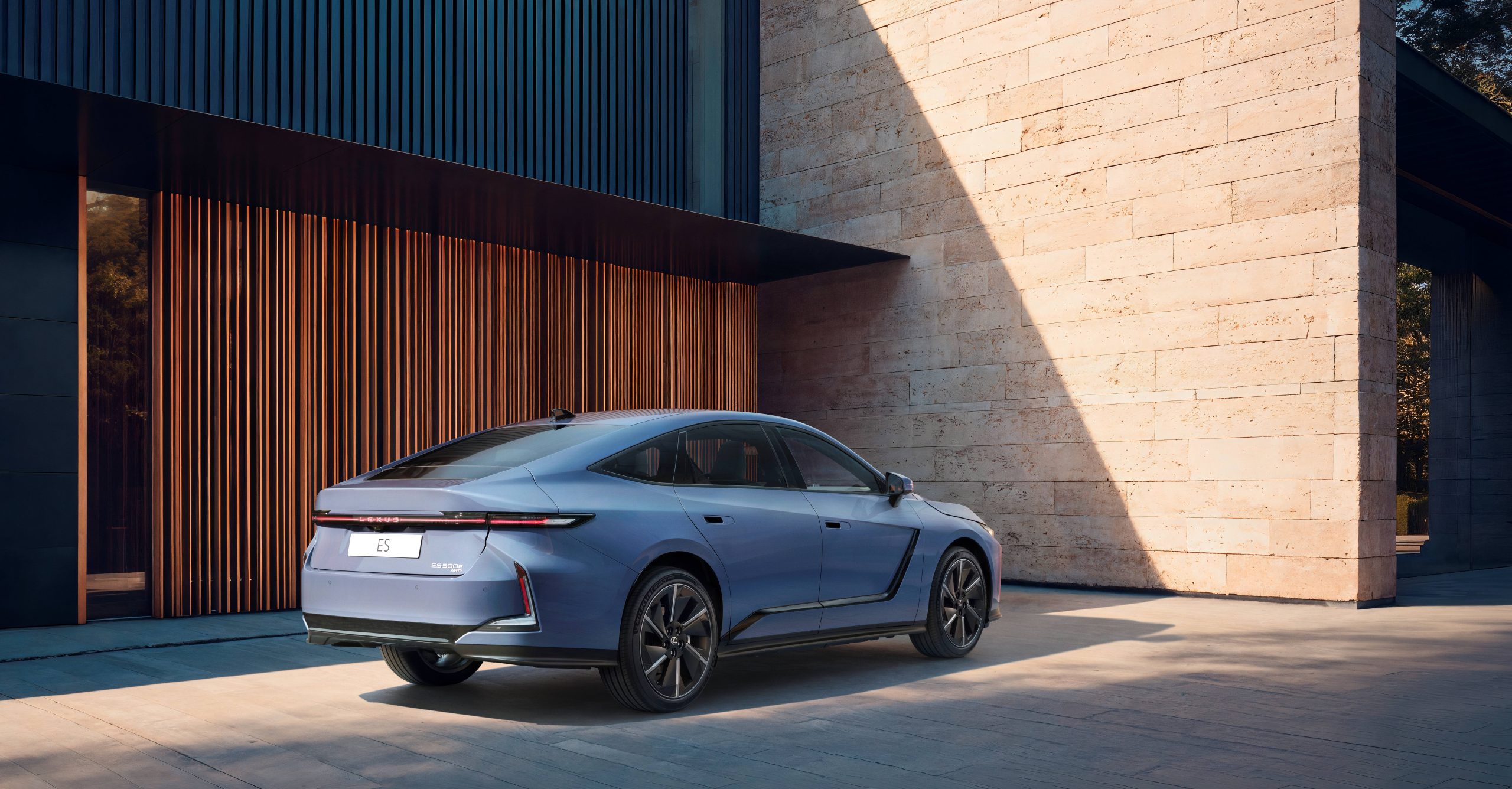
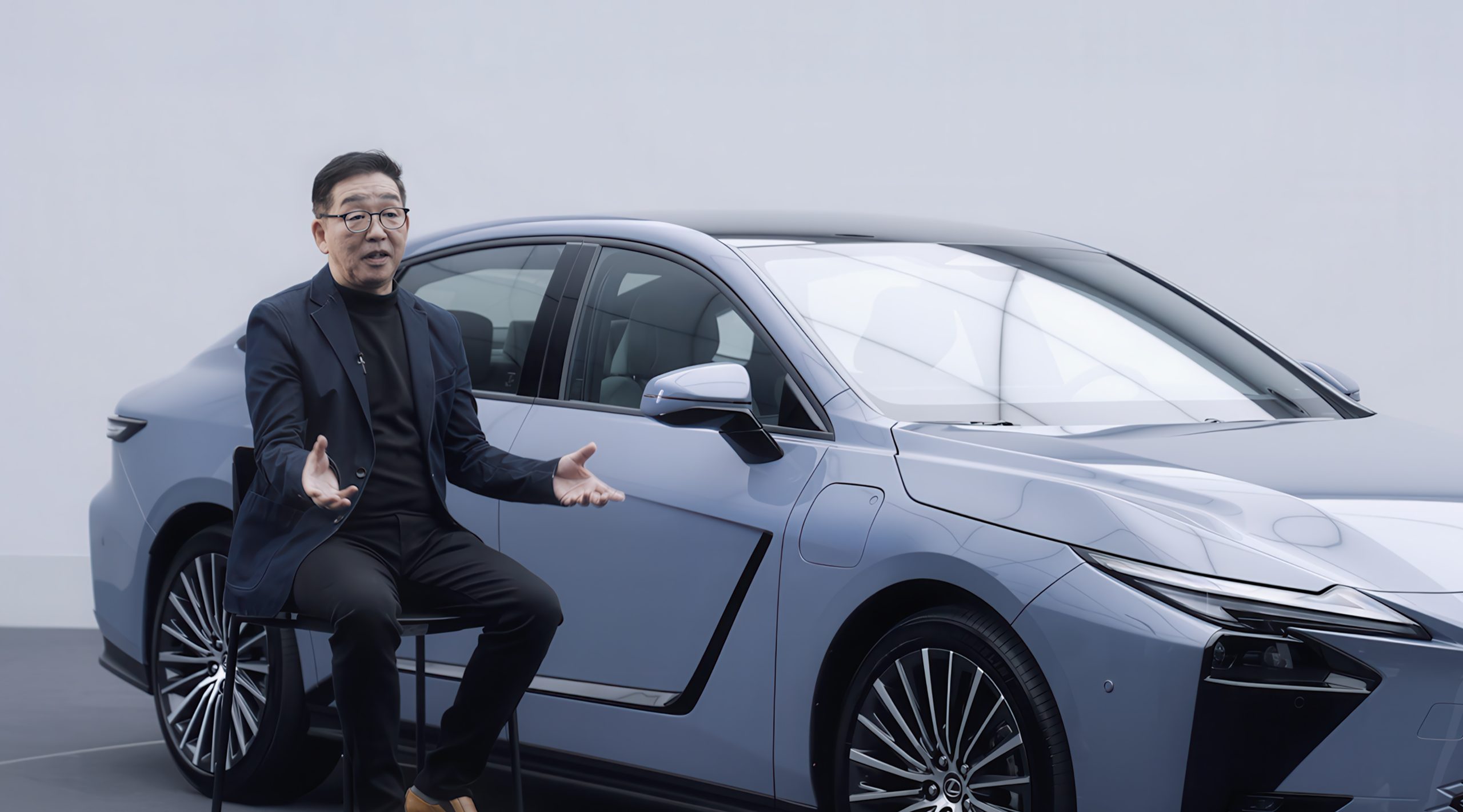
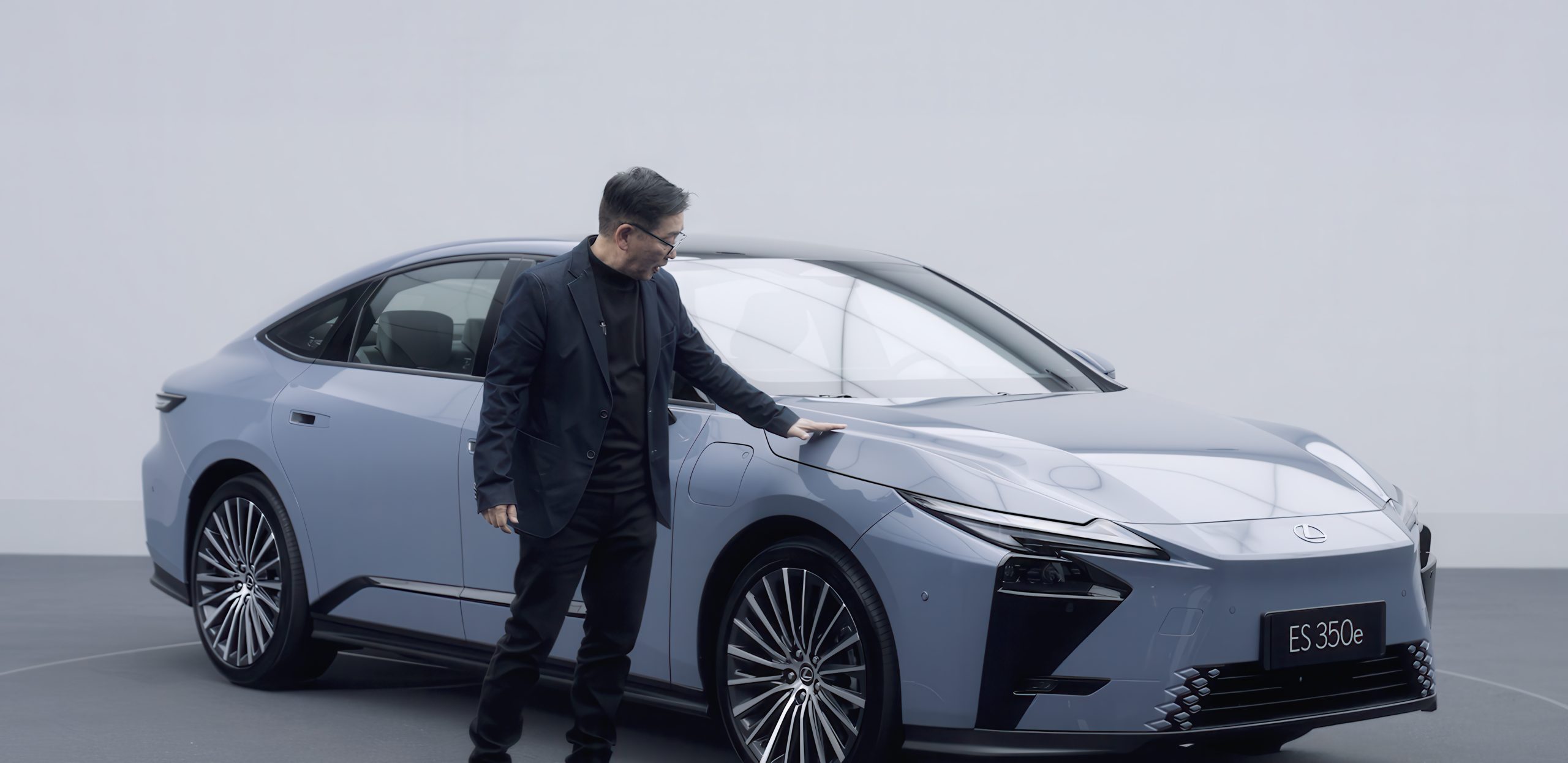
The side view was crucial in ensuring the car expressed the elegant look of a saloon. Taking the height increase into account, the desired result was achieved by introducing a black side moulding. The effect is a reduction in the perceived height of the car, creating a slimmer, longer and sleeker appearance. The moulding is also used as design feature to link the front and rear sections of the vehicle.
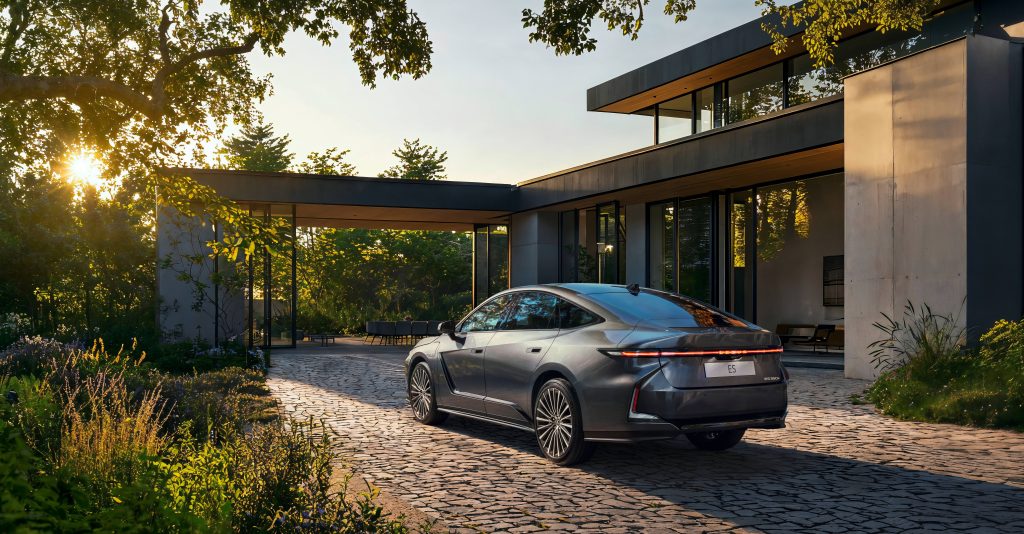
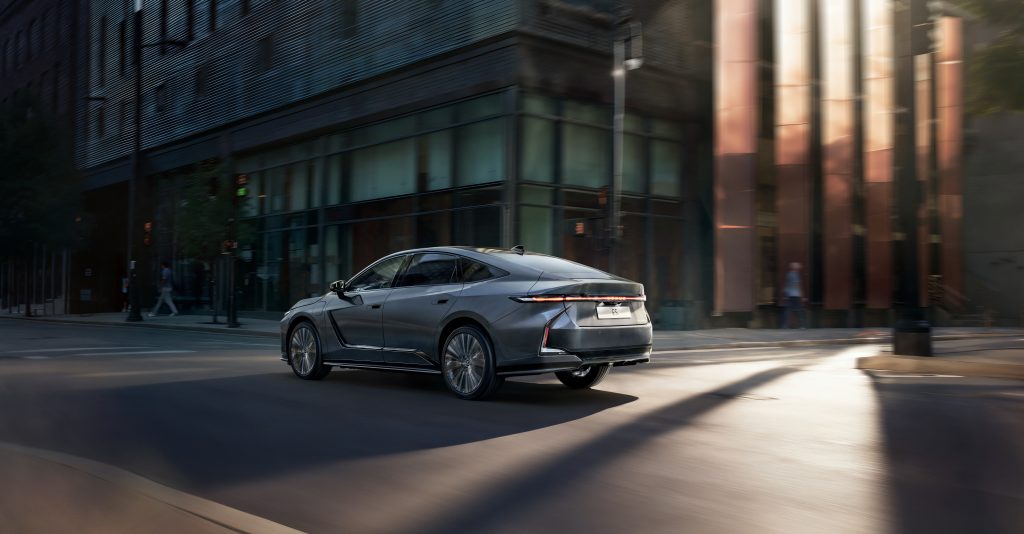
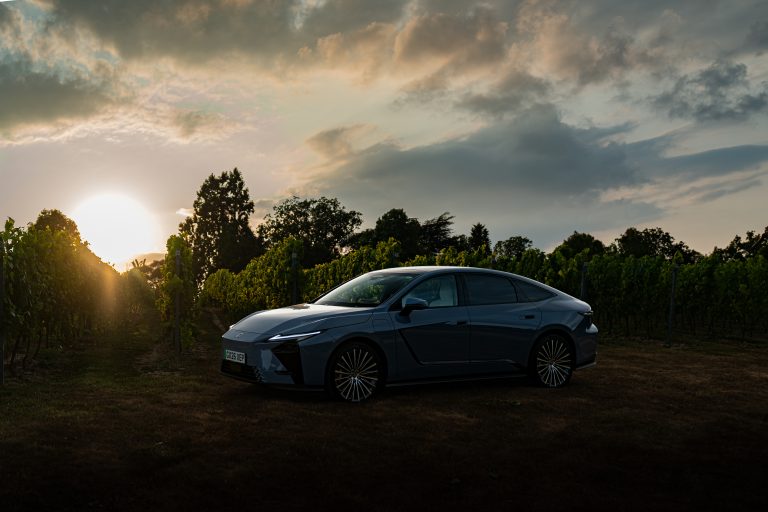
The flowing silhouette creates a “trunkless” look with the cabin tapering to the rear. The contrasting lower body comprises both planar and sculpted surfaces and muscular aerodynamically efficient shoulders that are powerfully contoured and give the ES a “leap forward” profile.
A sweeping rear end
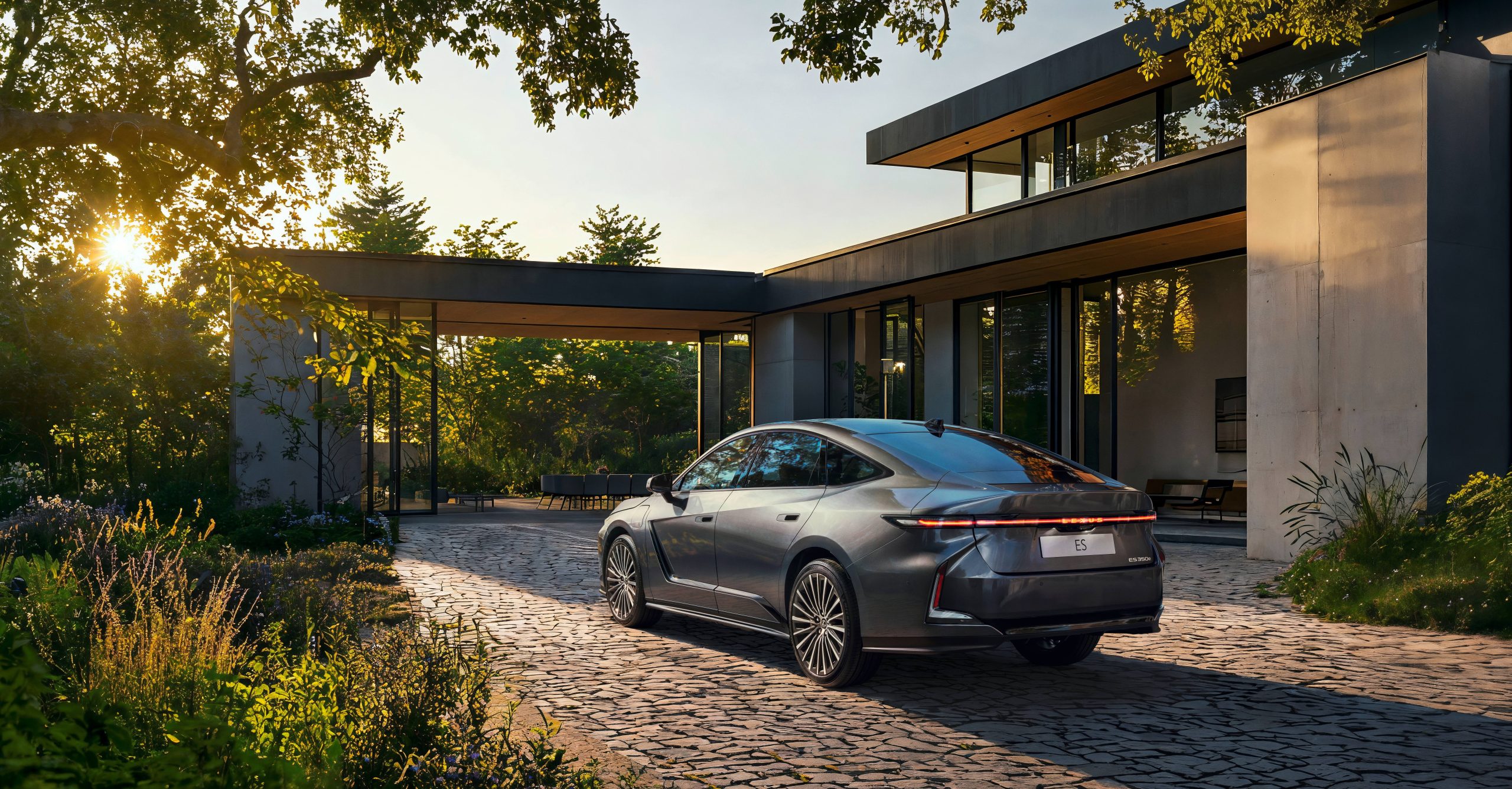
Chief Designer Kumai is particularly proud of the rear end design, which captures the smooth, flowing rearward sweep that has been a characteristic of successive ES models.
“The shape that cuts through the rearmost volume is a dynamic surface, unprecedented on sedan. We were very particular about its appearance and have a produced a beautiful broad surface. It gives the car an incredibly well-planted silhouette and while we have retained ample space in the cabin, it is strongly tapered to control airflow,” he explains. This tapering also emphasises the car’s low centre of gravity, generating a sporty and athletic look.
The rear illumination includes L-signature lights and a single, seamless light bar that integrates the LEXUS logo and incorporates the tail and stop lights. As well as amplifying the wide stance and enhancing the sculpted rear profile, the light bar also contributes to aerodynamic performance and the management of airflow away from the back of the car.
Interior – simple and modern luxury
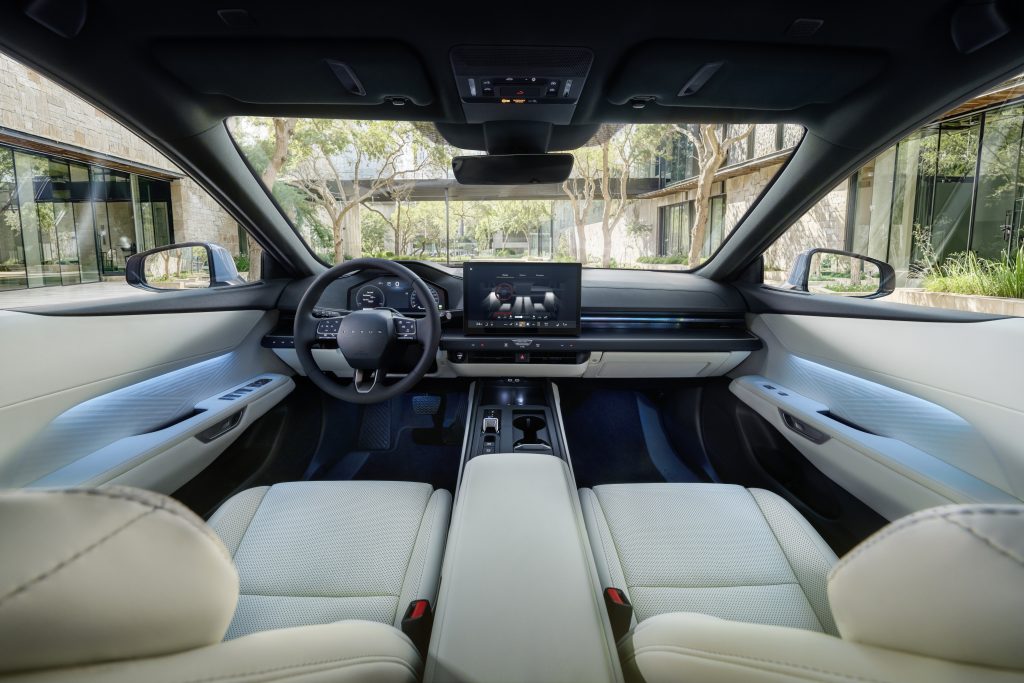
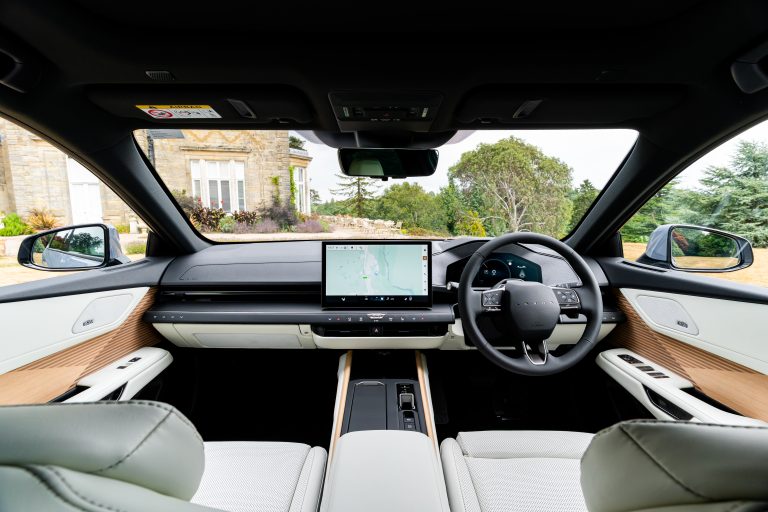
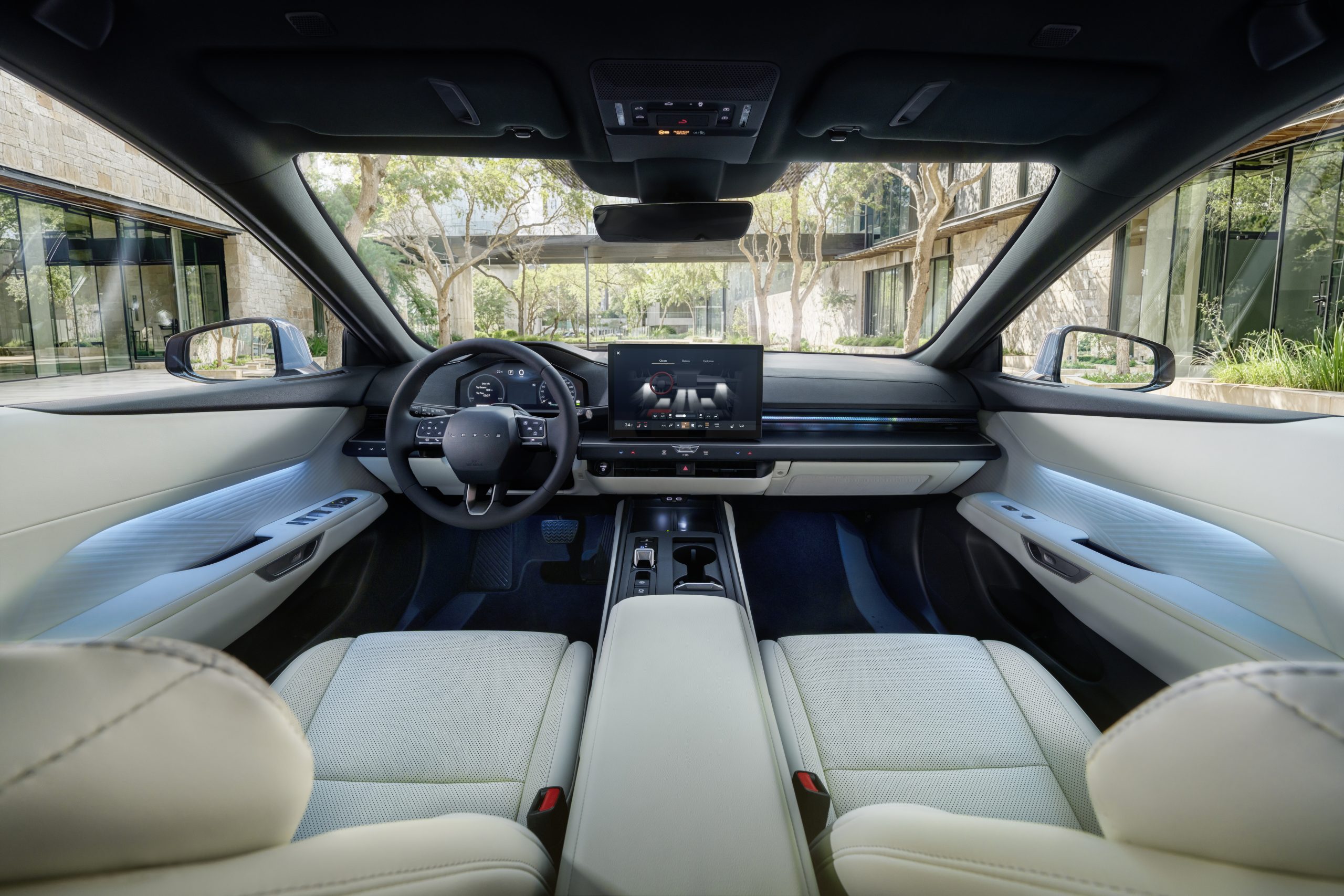
The basic design principle for crafting the new ES’s interior was “Clean Tech and Elegance,” producing a simple and modern aesthetic. Chief Designer Kumai talks of “eliminating visual noise” when describing how surfaces have been rendered clean and uncluttered, focusing on the priorities for a roomy and comfortable space.
Lexus recognises the importance of physical controls, not least for safety reasons, but has produced a solution – Hidden Switches – that combines practicality with a new aesthetic. Reflecting the Lexus hospitality principle of Omotenashi, the switches have a minimalist, unobtrusive design that blends seamlessly with the interior. When the car is turned off, the switches are not visible beneath the dashboard upholstery; when the driver switches the car on, they light up and are revealed. While having the smooth look of a touch-panel, the switches give satisfying tactile feedback when used.
The designers used printing and light transmission technology to create a Lexus-first surface-emitting illumination. A bamboo-effect film is used for the door panel trims and is layered using advanced printing techniques. Light transmission technology then creates a surface illumination effect over the panels that is perfectly synchronised with the cabin’s ambient illumination.
Seat design has been rethought to create a slimmer look and a profile that doesn’t intrude in the cabin space. Where car seats traditionally have a large, solid form that is completely upholstered, the design team divided the seat into two parts, each one covered separately.
The cockpit design follows Lexus’s Tazuna principle, focusing the driver’s attention on the road ahead by arranging controls and information sources so they can be operated and recognised with just the slightest movement of hand and eye.
The upper section is wide open to prioritise the driver’s view, while the instrument combimeter is presented in an asymmetrical 12.3-inch digital array, allowing for a lower meter hood to be used. Material quality is raised with soft leather-like accents and dynamic lighting effects.
ENDS